



Traveling by plane is a common way to explore new places, and for vapers, the question of whether they can bring their Digital box Vape on board is often a concern. As a Digital box Vape supplier, I understand the importance of providing clear information about the regulations for carrying these products on a plane. In this blog, I will delve into the rules and guidelines that govern the transportation of Digital box Vapes on flights, ensuring that you can travel with your vaping device safely and legally.
General Aviation Regulations
The regulations regarding the carriage of Digital box Vapes on planes are primarily set by international aviation authorities and individual airlines. These rules are in place to ensure the safety of passengers and crew, as well as to comply with local laws and regulations at the destination.
One of the most important aspects to consider is the battery. Digital box Vapes are powered by lithium - ion batteries, which are subject to strict safety regulations due to their potential fire risk. The International Civil Aviation Organization (ICAO) and the International Air Transport Association (IATA) have established guidelines for the transportation of lithium - ion batteries on aircraft.
According to these guidelines, lithium - ion batteries must be carried in carry - on baggage only. They are not allowed in checked luggage because the conditions in the cargo hold, such as pressure and temperature changes, can increase the risk of battery malfunction and fire. Additionally, the battery must be protected from short - circuits. This can be done by placing the battery in a protective case or covering the battery terminals with tape.
Quantity Restrictions
Most airlines limit the number of Digital box Vapes and spare batteries that passengers can carry. Generally, passengers are allowed to carry a reasonable quantity of vaping devices and spare batteries for personal use. However, the definition of "reasonable quantity" can vary from airline to airline.
Some airlines may allow up to two vaping devices and two spare batteries per passenger. It is crucial to check with your specific airline before your flight to determine their exact policies. Exceeding the permitted quantity can result in the confiscation of the excess items at the airport security checkpoint.
Liquid E - Juice Regulations
In addition to the battery regulations, the liquid e - juice used in Digital box Vapes is also subject to restrictions. The Transportation Security Administration (TSA) in the United States, and similar security agencies in other countries, have rules regarding the carriage of liquids on flights.
Liquids, including e - juice, must be in containers of 100 milliliters (3.4 ounces) or less and placed in a clear, quart - sized plastic bag. Each passenger is typically allowed one such plastic bag. This rule applies to both carry - on and checked luggage. If your e - juice containers exceed the 100 - milliliter limit, they will not be allowed through the security checkpoint.
International Travel Considerations
When traveling internationally, it is important to be aware of the laws and regulations of your destination country. Some countries have strict anti - vaping laws and may prohibit the importation of Digital box Vapes altogether. For example, Australia has very strict regulations on the importation of nicotine - containing e - juice, and it is illegal to bring it into the country without a prescription.
Before traveling, research the vaping laws of your destination country. You can visit the official government websites or contact the embassy or consulate of the country you are visiting. Ignoring these laws can lead to serious legal consequences, including fines and even imprisonment.
Airport Security Screening
When going through airport security, it is essential to be prepared. Remove your Digital box Vape and spare batteries from your carry - on bag and place them in a separate bin for screening. This allows the security officers to inspect the items more easily.
Be honest with the security officers about the contents of your vaping device. If you are carrying a Digital box Vape with nicotine - containing e - juice, make sure to declare it. Trying to conceal the presence of nicotine - based products can lead to delays and potential legal issues.
Our Product Recommendations
As a Digital box Vape supplier, we offer a range of high - quality products that comply with safety standards. Our VAPME Crystal 7000 Puffs vape is a popular choice among vapers. It offers a long - lasting vaping experience with 7000 puffs per device. The battery is designed to be safe and reliable, and the e - juice is available in a variety of flavors.
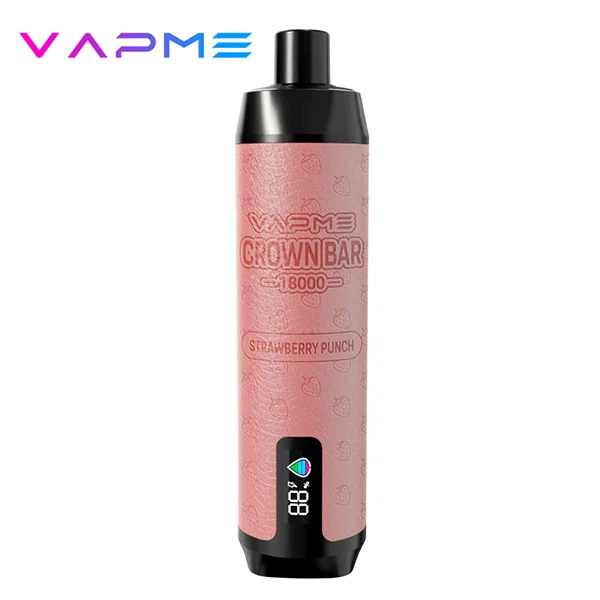
Another great option is our VAPME Crown Bar 18000 Puffs. With its high puff count, it is perfect for long - distance travelers. The device is compact and easy to carry, making it ideal for use during flights.
For those who want an even more extended vaping experience, our VAPME Shisha Pro Max 20000 Puffs is an excellent choice. It features a large e - juice capacity and a powerful battery, ensuring that you can enjoy your vape for an extended period.

Conclusion and Call to Action
Understanding the regulations for carrying a Digital box Vape on a plane is essential for vapers who travel by air. By following the guidelines set by aviation authorities and airlines, you can ensure a smooth and hassle - free travel experience.
If you are interested in purchasing high - quality Digital box Vapes that meet safety standards, we are here to help. Our products are designed with the latest technology and safety features to provide you with a great vaping experience. Whether you are a casual vaper or a frequent traveler, we have the right product for you.
Contact us to discuss your vaping needs and explore our product range. We look forward to working with you and helping you find the perfect Digital box Vape for your lifestyle.
References
- International Civil Aviation Organization (ICAO). "Technical Instructions for the Safe Transport of Dangerous Goods by Air."
- International Air Transport Association (IATA). "Dangerous Goods Regulations."
- Transportation Security Administration (TSA). "Prohibited Items."
- Various airline websites for their specific vaping and battery carriage policies.


